
Stop Asking for a Throne: Three Times Jesus Pointed Past Politics to the Cross

Jesus never ran for office. He never seized a throne. He never told His disciples to seize the Sanhedrin, the palace, or Rome. Three times—at the climax of His trial, on the road after His resurrection, and in His last words before the Ascension—He pointed His people away from a governmental kingdom and toward a Gospel one. The Church keeps missing it.
The First Time Before Pilate: “My Kingdom Is Not of This World”
Standing before the representative of the most powerful empire on earth, Jesus made the claim that still offends every generation that wants a Christian prince more than a crucified King:
“My kingdom is not of this world. If My kingdom were of this world, My servants would fight, so that I should not be delivered to the Jews; but now My kingdom is not from here.”— John 18:36 (NKJV)
Pilate pressed Him: “Are You a king then?”
Jesus answered: “You say rightly that I am a king. For this cause I was born, and for this cause I have come into the world, that I should bear witness to the truth. Everyone who is of the truth hears My voice.”— John 18:37 (NKJV)
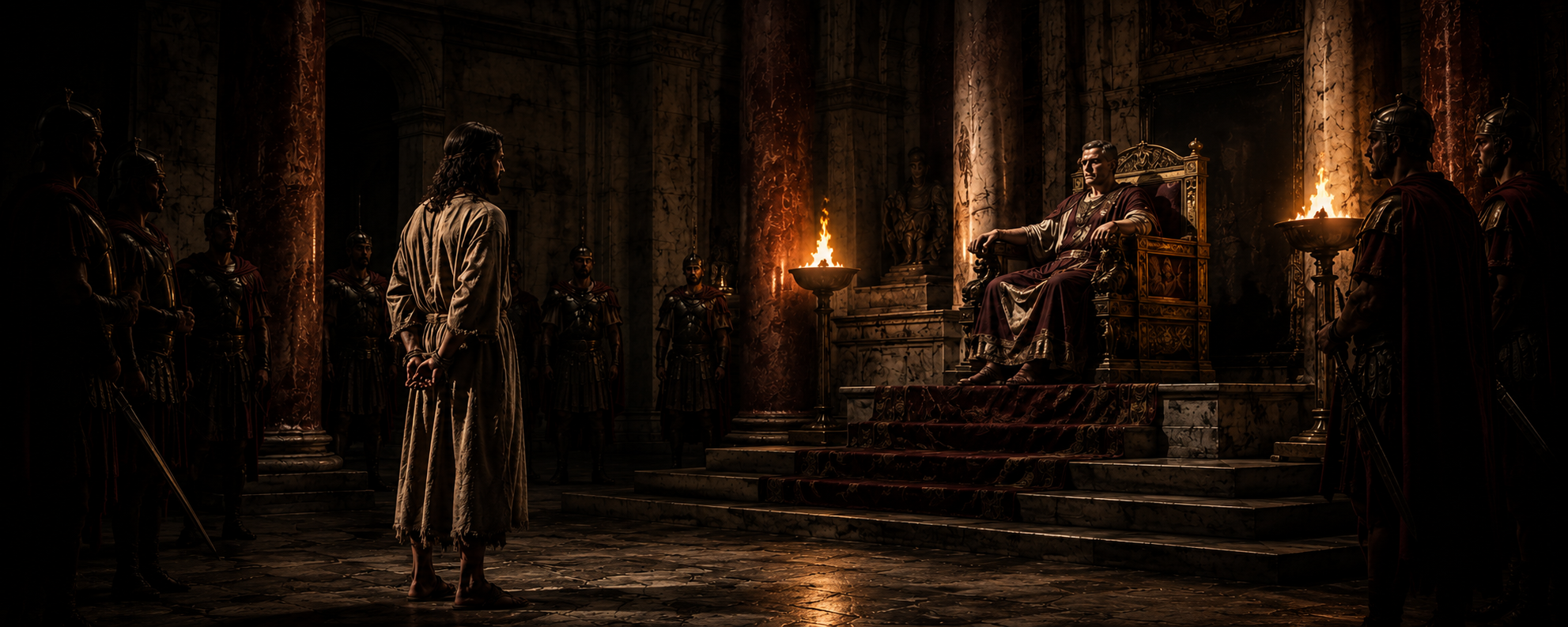
He is King. That is not in dispute. The dispute is what kind. If His kingdom were of this world, His servants would fight. They did not. He would not let them. Peter’s sword was sheathed, and the legion of angels remained in heaven. The King who could have summoned force chose a cross instead.
A kingdom “not from here” is not a slogan for retreat. It is a declaration of origin, method, and mission. It advances not by legislation first but by truth. Those who belong to the truth hear His voice. Those who belong to power hear a different voice.
The Second Time on the Road to Emmaus: They Wanted Israel Redeemed; He Spoke of a Cross
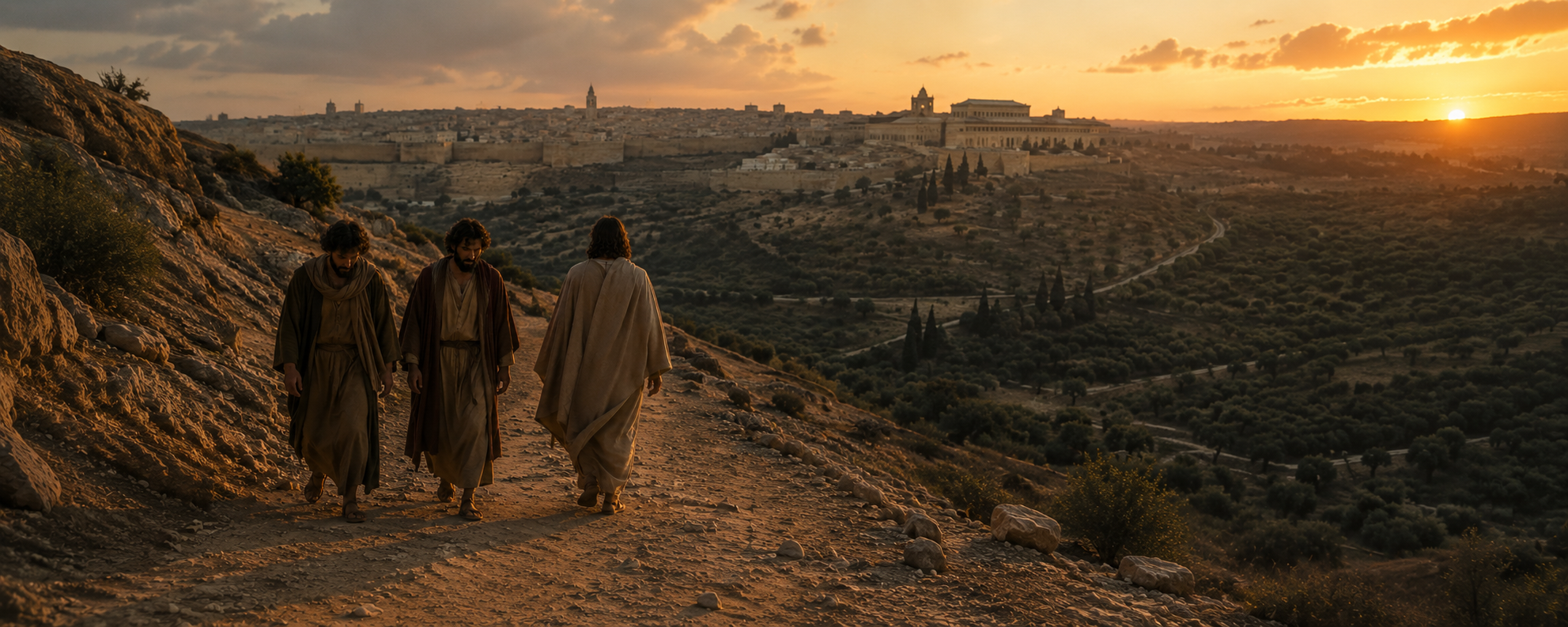
Two disciples walked away from Jerusalem crushed. Their hope had a political shape:
“But we were hoping that it was He who was going to redeem Israel.”— Luke 24:21 (NKJV)
They were not wrong that the Messiah would redeem. They were wrong about HOW. They wanted a governmental and national deliverance. Jesus intercepted them and immediately pointed to His passion—suffering, death, burial, and resurrection. He opened Moses and the Prophets and showed that the Christ HAD to suffer. Then He vanished after revealing Himself in the breaking of bread, the sign of His broken body.
Later He gathered the Eleven and made the purpose unmistakable:
“Thus it is written, and thus it was necessary for the Christ to suffer and to rise from the dead the third day, and that repentance and remission of sins should be preached in His name to all nations, beginning at Jerusalem. And you are witnesses of these things. Behold, I send the Promise of My Father upon you; but tarry in the city of Jerusalem until you are endued with power from on high.”— Luke 24:46–49 (NKJV)
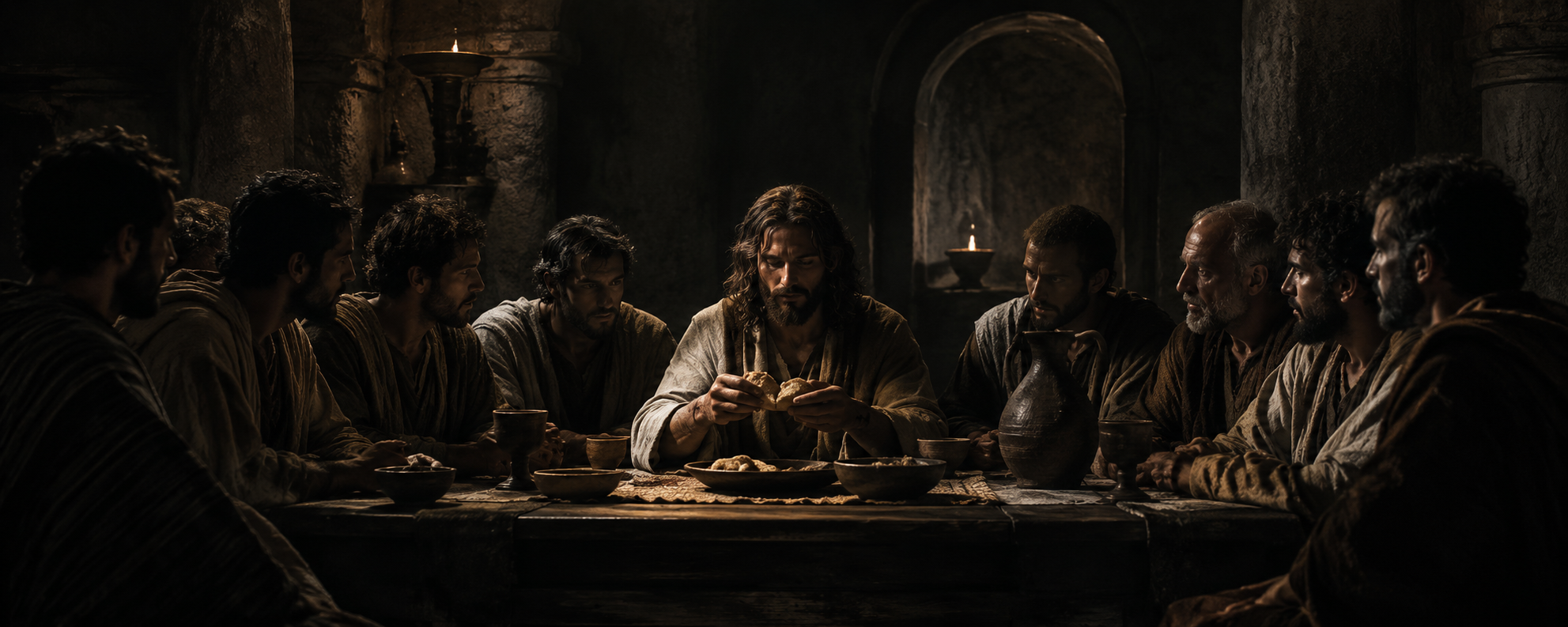
Not a restored throne in Jerusalem first. But that repentance and remission of sins were to be preached to all nations with power from on high. Not by political leverage from below.
The Emmaus disciples had the right Messiah and the wrong timetable, the right hope and the wrong instrument. Jesus did not scold their patriotism. He redirected their gaze to His wounds and the scriptures (the Word).
The Third Time at the Ascension: “Will You Restore the Kingdom?” He Answered With Witnesses.
Even after the resurrection, the question came back a second time:
“Lord, will You at this time restore the kingdom to Israel?”— Acts 1:6 (NKJV)
Again the political hope, but again the same answer from Jesus. Now in its final form:
“But you shall receive power when the Holy Spirit has come upon you; and you shall be witnesses to Me in Jerusalem, and in all Judea and Samaria, and to the end of the earth.”— Acts 1:8 (NKJV)
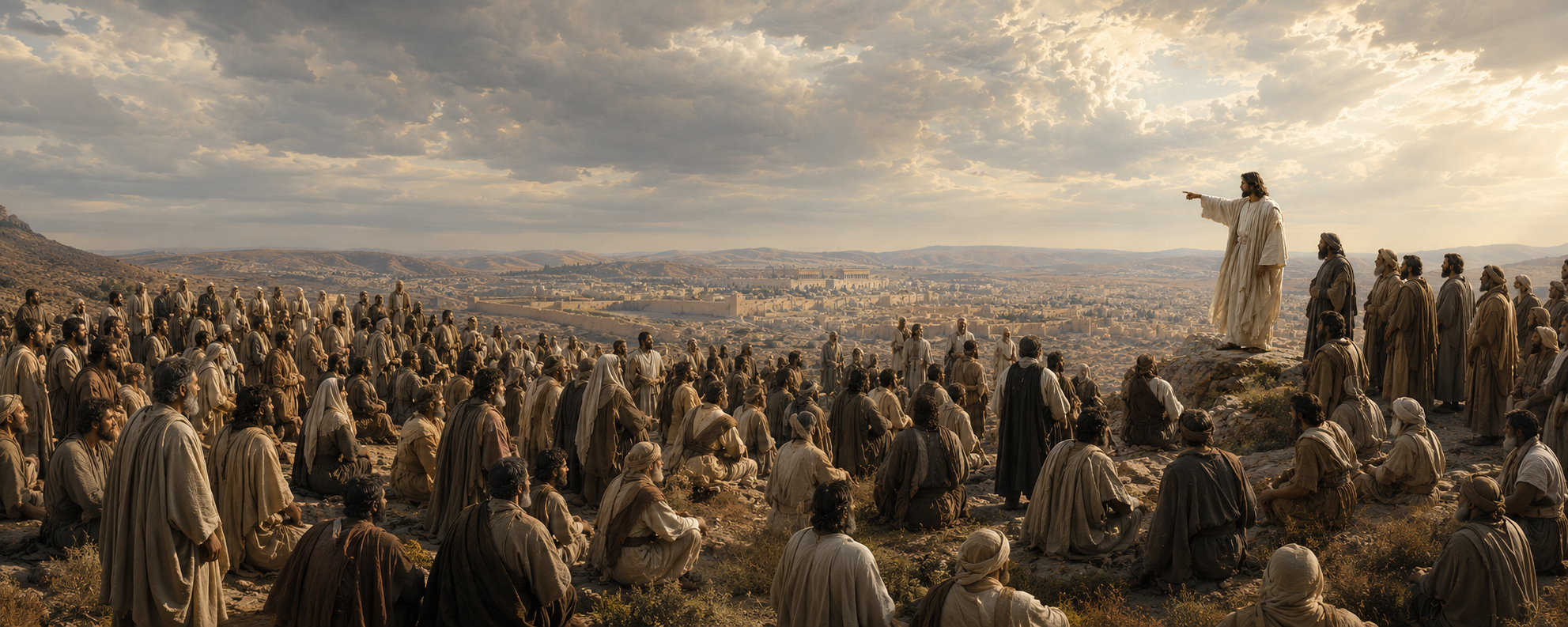
He did not say the kingdom would never be restored. He said this is not the assignment. The assignment is power from the Spirit and witness to the ends of the earth. The last words of the risen Christ on earth were not a political campaign strategy. They were the Great Commission. Go into all the world and preach the Gospel through the power of the Holy Spirit. Preach repentance and remission of sins in His name.
Three scenes. One pattern. They ask for a government. He gives them the Gospel. They look for a throne. He points to a cross, His wounds, the empty tomb, and the Holy Spirit's empowerment.
The Punchline the Church Keeps Dodging
Political activism that seeks to elect Christians to legislate and govern according to Christian principles will never replace Holy Spirit-empowered preaching of the Gospel.
Worse, neglecting the preaching of the Gospel while treating political activism as the Church’s primary mandate is not merely a strategic error. It is disobedience and rebellion against the explicit words of the King of Kings and Lord of Lords.
Christians may vote, serve in office, and contend for just laws. None of that is the issue. The issue is substitution. When the ballot box becomes the altar, when party platforms become the creed, and when winning the next cycle becomes more urgent than preaching repentance and the remission of sins, the Church has traded the King’s commission for the disciples’ old question: “Will You at this time restore the kingdom?”
Jesus already answered.
The Cost of Silence
The consequences of not preaching the Gospel are severe. Paul said, “Woe is me if I do not preach the gospel” (1 Corinthians 9:16). Ezekiel was told that if the watchman does not warn, the blood is on his hands. Jesus said the Gospel of the kingdom must be preached throughout the world as a witness to all nations, and then the end will come. The apostles turned the world upside down not by first capturing Caesar’s court, but by announcing a crucified and risen Lord whom Caesar could not silence.
A church that expends its fire, time, resources, and money on elections and withholds it from the lost has not become more “engaged.” It has become unfaithful, disobedient, and rebellious. Nations are not discipled by statutes alone. Hearts are not regenerated by majorities or political power. Hell is not emptied by legislation. Only the Gospel, with repentance and remission of sins in His name, preached in the power of the Holy Spirit, does that work.
The King already told us that His kingdom is not of this world. He already told us why He came: to bear witness to the truth. He already told us what to do until He returns: receive power and be witnesses to the ends of the earth.
The question is no longer what Jesus pointed to.
The question is whether we will obey it. Will we? When will we do so?

