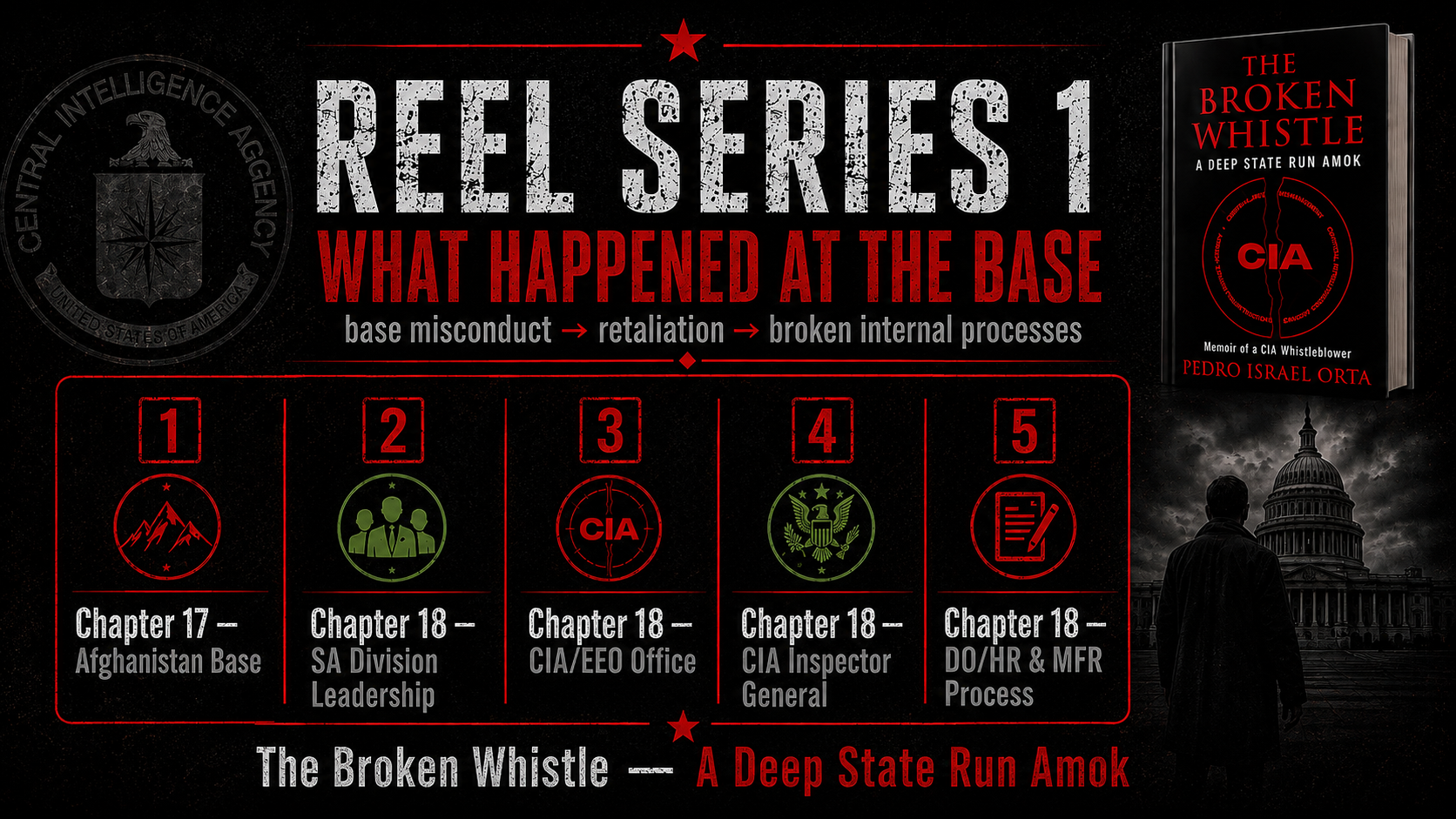
🚨 HOW FAR WILL THE CIA GO TO DESTROY A WHISTLEBLOWER?
Sometimes retaliation does not look like one dramatic act. It can happen piece by piece—until the person who reported the problem becomes the problem.
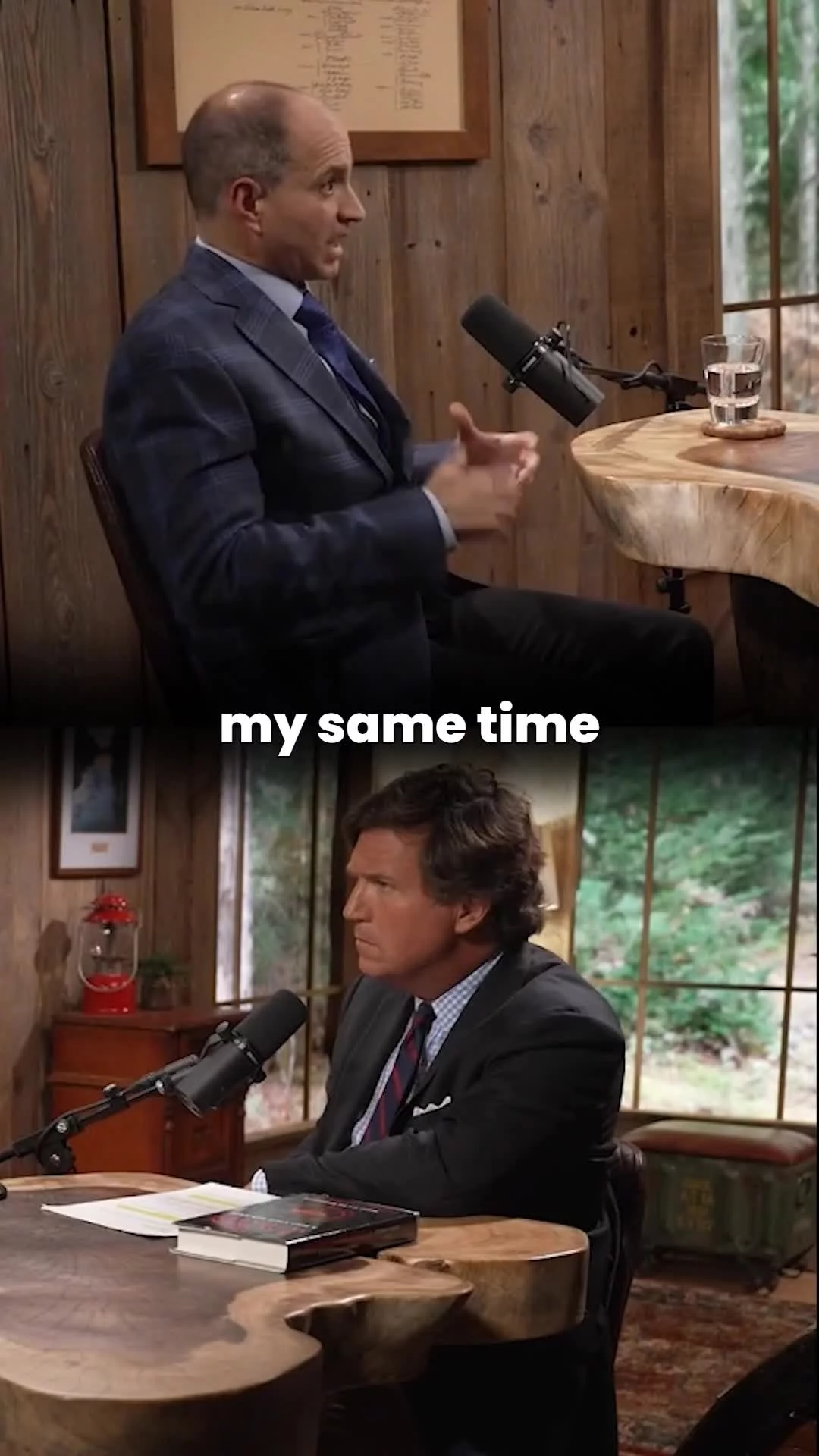
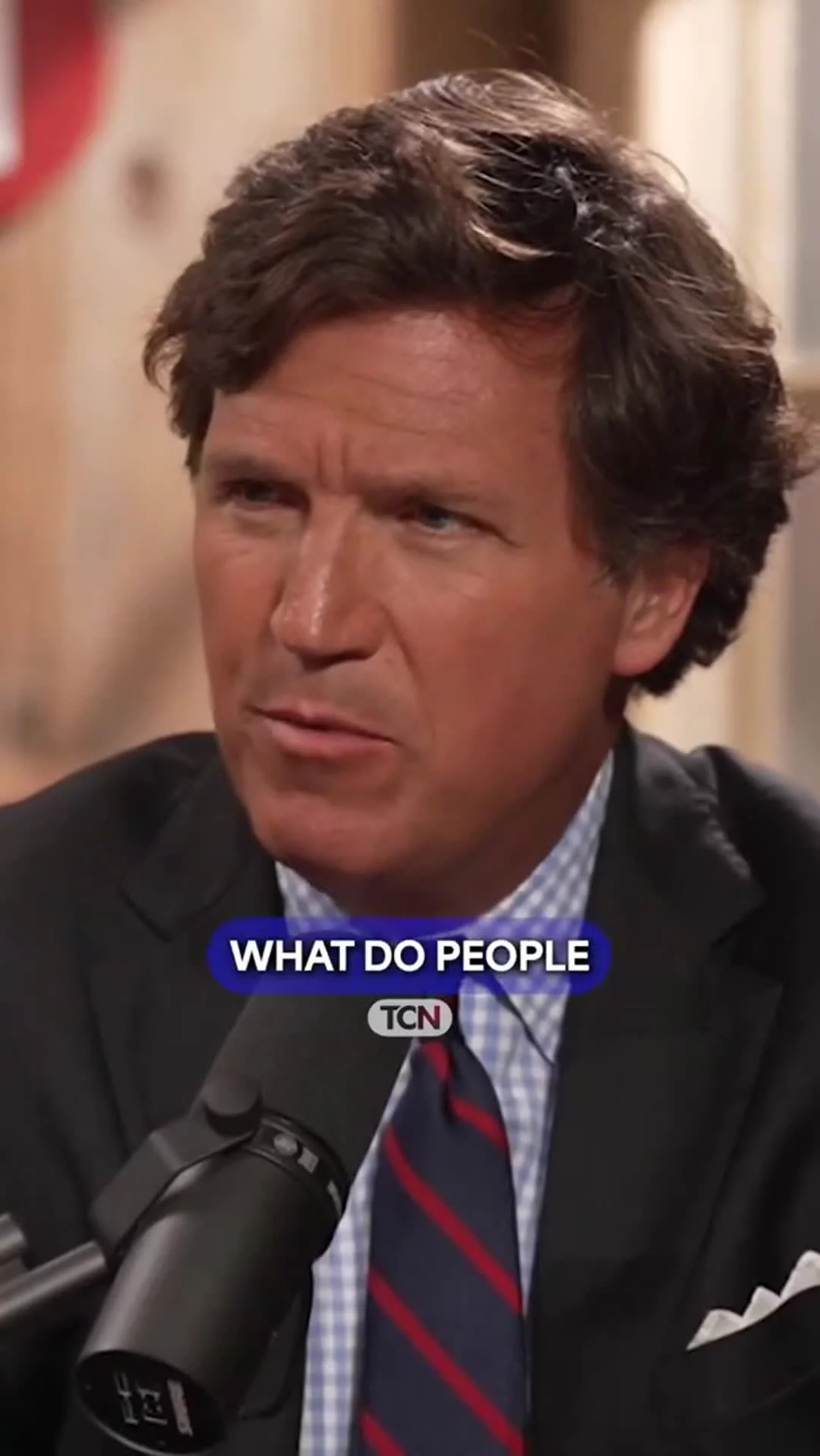
In this reel, I describe what I experienced after raising serious concerns inside the CIA:
⚠️ The underlying management failures needed to be addressed.
⚠️ Instead, attention increasingly shifted toward me.
⚠️ My conduct and character became targets of scrutiny.
⚠️ Personnel and EEO processes entered the picture.
⚠️ Enormous institutional resources could be directed toward answering—or discrediting—the whistleblower rather than confronting what he reported.
That should concern everyone, regardless of politics.
🔎 Because the question is bigger than one employee or one agency:
What happens when an organization has the power to investigate the person who is challenging the organization?
What happens when correcting the problem becomes less important than controlling the narrative?
And what message does that send to the next employee who sees something seriously wrong?
🤐 Stay quiet. Keep your head down. Protect your career.
That is how accountability dies.
🇺🇸 Whistleblower protections exist for a reason. National-security institutions are extraordinarily powerful—and with extraordinary power must come extraordinary accountability.
📕 The Broken Whistle: A Deep State Run Amok documents my account of what happened when I refused to remain silent.
🔥 The most revealing part of a whistleblower story may not be what was reported. It may be what happened to the person who reported it.